October 10, 2026



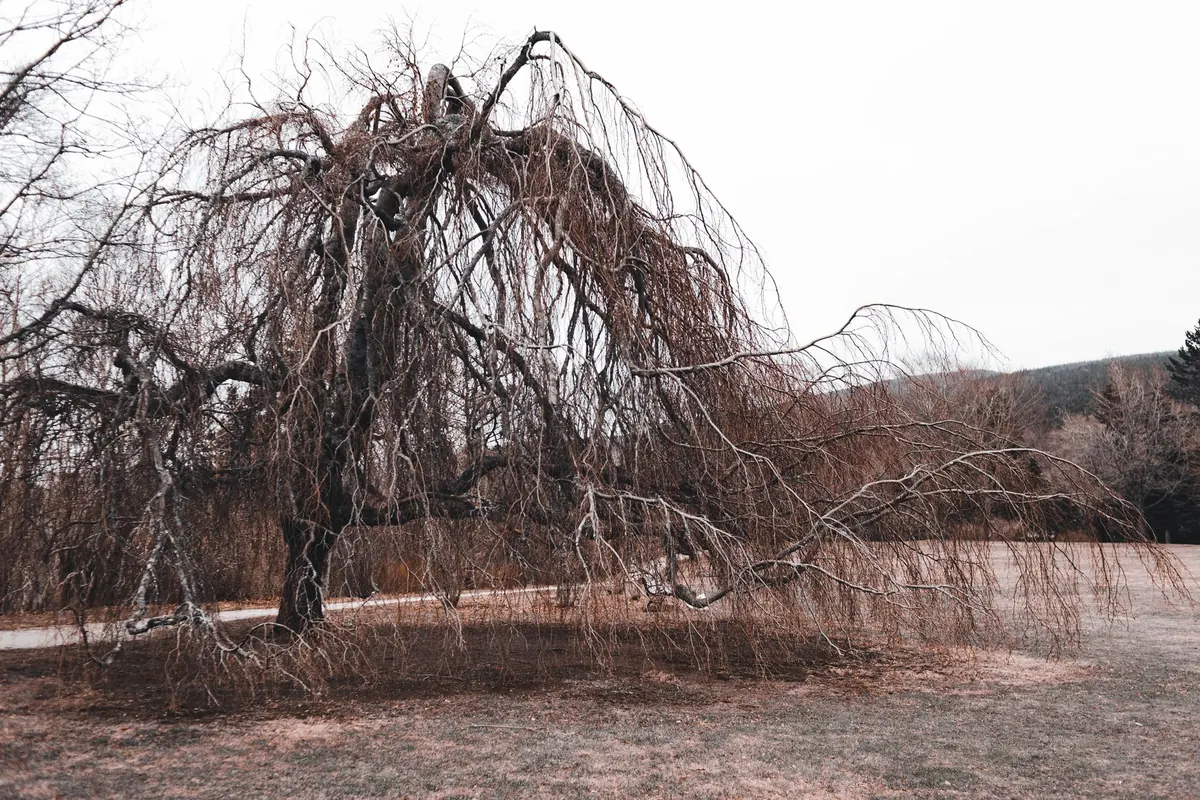
A weeping willow can add a metre of growth in a single season. That vigour is what gives the tree its grace — and what turns a modest garden willow into a tangle of whips if you leave it alone for a few years. Prune at the wrong moment and you will be wiping sap off the patio and staring at dead stubs. Prune at the right one and the whole job takes an afternoon.
There is no single magic date. Pruning a willow is a balance between its sap, which starts moving surprisingly early, and the risk of decay finding its way into a wound. Here is how to find that balance through the year.
For most UK gardens, willow pruning fits into one of two slots.
Everything outside those windows is a compromise. Sometimes a compromise is fine — a storm-broken branch cannot wait until January — but do not plan a big pruning session for March or October.
Willow sap sits under pressure, particularly as the buds swell in early spring. Cut a branch in March or April and it can drip steadily for days, staining paving and looking alarming. It is startling, but rarely harmful in itself: a healthy willow has plenty of reserves and will callus over the cut in time.
The real arguments for timing are practical. A wound made in spring sits wet and open while the tree pours its energy into new leaves. And a big weeping willow with a fresh wound in mild, damp autumn weather is exactly what decay fungi are looking for.
Sharp tools do more for a willow than any technique. Use bypass secateurs and loppers rather than anvil types, which crush the wood, and a pruning saw for anything thicker than your thumb. Wipe the blades with methylated spirits between trees, or straight after cutting anything that looks diseased.
For a branch too thick for loppers, use the three-cut method:
On thin shoots, cut about 5mm above a bud, angling the blade slightly away from it so the bud is not damaged and water runs off the wound. Two habits matter more than anything else: never leave a stub, and never cut flush against the trunk. The collar holds the tree's own defence tissue; a stub will simply die back and, on a willow, hold moisture against the wood.
Skip wound paint. It traps damp underneath and does the tree no favours.
Prune for the tree first, then for the shape you want. Most weeping willows need far less cutting than their owners expect.
Photo: Erik Mclean / Pexels

Your guide to growing and using willow.
Copyright © 2026 Willow Guide. All rights reserved. Willow Guide.